- What is an Eye Plasma Fibroblast Treatment?
- Does PlasmaPen Work for Hooded Eyes?
- The Safety Margins and Protocols for Eye Work
- Numbing: the step that takes the longest
- How Long Does PlasmaPen Take to Heal Around the Eyes?
- Can You Overdo PlasmaPen Around the Eyes?
- What Devices Can Be Used for an Eye Plasma Fibroblast Treatment?
- Achieve Incredible Results with Eye Plasma Fibroblast Treatments
The delicate skin surrounding the eyes is often the first area to show signs of ageing, fine lines, and structural laxity. From drooping upper eyelids to crow’s feet, periorbital concerns are among the most common reasons clients seek aesthetic interventions. PlasmaPen technology offers a highly targeted, non-surgical solution designed to contract, lift, and rejuvenate thin periorbital tissue without the need for invasive incisions.
One distinction underpins everything that follows. Plasma treatment tightens loose eyelid skin; it does not remove excess skin. That single point decides who is a suitable candidate, and it is the reason the eye area is the most demanding region on the face to treat, with measured no-go margins, heavier swelling than anywhere else, and a properly trained practitioner who declines some clients outright.
What is an Eye Plasma Fibroblast Treatment?
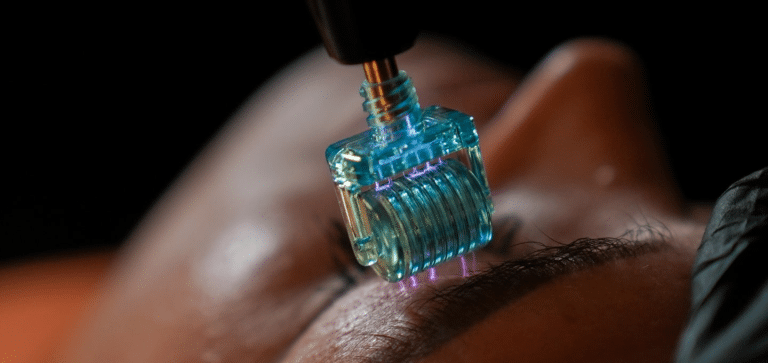
An eye plasma fibroblast treatment is a non-invasive procedure that delivers micro-thermal energy directly to the upper epidermal layer around the periorbital zone. By converting atmospheric nitrogen and oxygen into an ionised gas arc, the device creates precise micro-points on the skin surface.
These controlled micro-injuries trigger immediate tissue contraction when stimulating the deeper dermal layer to produce fresh collagen and elastin. As eyelid skin is among the thinnest and most sensitive on the human body, treatment must always be carried out by a fully certified practitioner using strict safety protocols and controlled energy parameters.
Does PlasmaPen Work for Hooded Eyes?
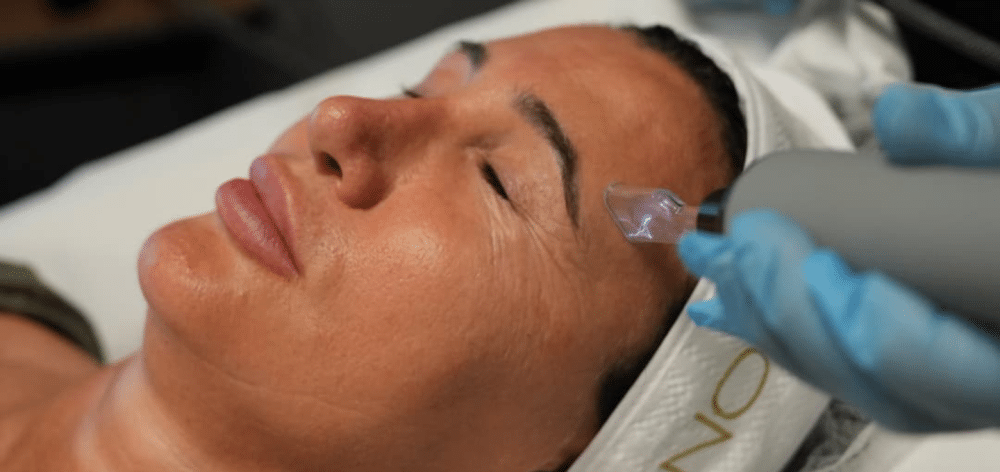
Yes, PlasmaPen is an effective non-surgical treatment for mild to moderate hooding caused by loose upper-eyelid skin. During the treatment, a trained practitioner carefully applies a grid of micro-plasma points across the excess skin of the upper eyelid. This creates an instant tightening effect while triggering long-term collagen remodelling as the area heals.
Some tightening may be noticeable immediately, but swelling can temporarily disguise the result. The final appearance should be assessed only after the skin has healed and settled, usually at around eight to ten weeks. Results depend on various factors, including:
- The amount and position of the loose skin
- Skin quality and age
- The client’s natural healing response
- The practitioner’s technique
- The device used
- The number of treatments completed
- Following the aftercare instructions properly
PlasmaPen cannot correct every cause of a hooded appearance. Pronounced skin excess, a low eyebrow position, eyelid ptosis, or a medical problem affecting the eyelid may require assessment by an appropriately qualified medical professional. PlasmaPen is not a direct replacement for surgical blepharoplasty, and realistic expectations should always be discussed during consultation.
Including skin tightening treatment results from our technicians.
The Safety Margins and Protocols for Eye Work
Eye-area protocol is measurable, which is what makes it auditable. Around the upper eye, treatment stays 3mm from the lash line, 3mm from the brow hairline, and 10mm from the corner of the eye. Those margins keep the work clear of the lashes and of the delicate tissue at the outer and inner canthus.
The treatment area is mapped with a white pencil before anything starts, working from an anchor point on the outside inwards. The direction of work matters because it determines how the skin lifts.
Numbing: the step that takes the longest
The Step 1 numbing cream is applied under cling film for 30 to 45 minutes, followed by the Step 2 numbing gel for a further eight to ten minutes, with the practitioner watching for blanching before beginning.
Numbing is removed from one area at a time rather than the whole face at once, so each section is at full strength when the practitioner reaches it. Where both upper and lower lids are being treated, each is handled as its own zone. Afterwards, expect a serum application, cooling with a mask, roller or ice globes for ten to 20 minutes, and an SPF50 tinted balm before the client leaves.
How Long Does PlasmaPen Take to Heal Around the Eyes?
Small brown carbon crusts form where the device touched the skin and remain visible for roughly five to seven days. Initial healing commonly takes seven to ten days, with deep dermal remodelling continuing for up to 12 weeks, although everyone heals differently.
Swelling is the part clients are least prepared for. Immediately after treatment, pronounced swelling is common; the eyelids may feel warm, tight, or tender, as the thin tissue retains fluid easily. Moderate to heavy swelling around the eyes is normal for upper and lower eyelid work, and clients should be warned before they book, not afterwards. Do not schedule eyelid work days before an event.
The crusts must not be picked, rubbed, or removed prematurely, as this can increase the risk of infection, pigmentation changes, and scarring. Contact lenses should be left out for 72 hours after eye-area treatment. In a small number of cases, the crusts come away and leave pink marks that can last up to eight weeks; this resolves on its own, and it cannot be predicted in advance.
For more detailed aftercare instructions, read our PlasmaPen Aftercare guide and browse our collection of soothing aftercare products.
Can You Overdo PlasmaPen Around the Eyes?
Yes, the delicate periorbital area can easily be overtreated if fundamental clinical protocols are ignored. Using excessive energy, placing the plasma points too closely together, treating too large an area, or repeating treatment before the skin has fully recovered can increase the risk of complications. These may include:
- Excessive swelling and inflammation
- Burns or deeper skin damage
- Prolonged redness
- Infection
- Changes in skin colour (pigmentation)
- Delayed healing
- Scarring
- An uneven result
- Injury to the eyelid or surrounding eye area
More treatment does not necessarily produce greater tightening. Practitioners must work within their training, follow the device protocol and leave enough untreated skin between the plasma points to support healing. A minimum waiting period of eight to 12 weeks is required before re-evaluating the skin for a potential secondary session.
What Devices Can Be Used for an Eye Plasma Fibroblast Treatment?
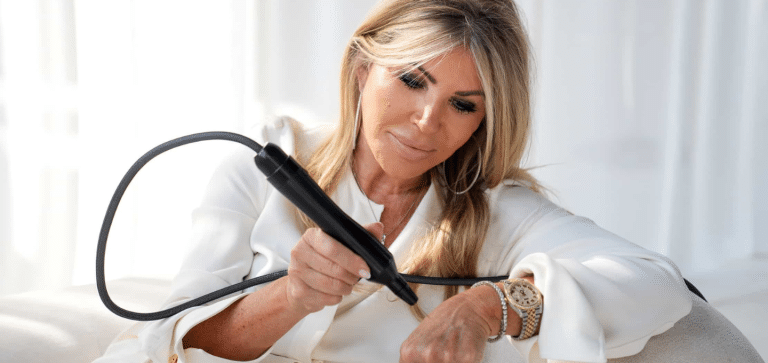
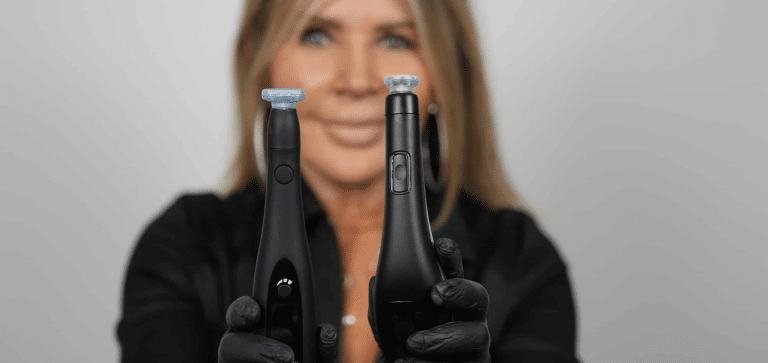
Performing safe, precise eye plasma fibroblast treatments requires advanced technology with consistent energy output.
- Classic PlasmaPen: This device delivers ultra-fine thermal plasma arcs for targeted micro-fibroblasting, ideal for upper eyelid contraction and fine lines.
- CoolJet™: Employing Cold Atmospheric Plasma (CAP) for non-thermal, zero-downtime eye area rejuvenation, the CoolJet™ is ideal for clients seeking gentle brightening and barrier support without carbon crusting.
- PlasmaPen Fusion Series: Combining multi-modality capabilities, these devices allow practitioners to switch between warm plasma for direct skin tightening, cold plasma for cellular stimulation, and ozone plasma for antibacterial sterilisation.
Achieve Incredible Results with Eye Plasma Fibroblast Treatments
When delivered by a trained professional using industry-certified technology, plasma fibroblast technology provides a non-surgical alternative for restoring firmness and youthfulness to the eye area. Explore PlasmaPen’s professional device portfolio today to offer safe, highly effective periorbital treatments in your clinic. With each purchase of a device, you gain access to professional online training, allowing you to expand your treatment catalogue. For more information on our services and devices, please don’t hesitate to contact us.
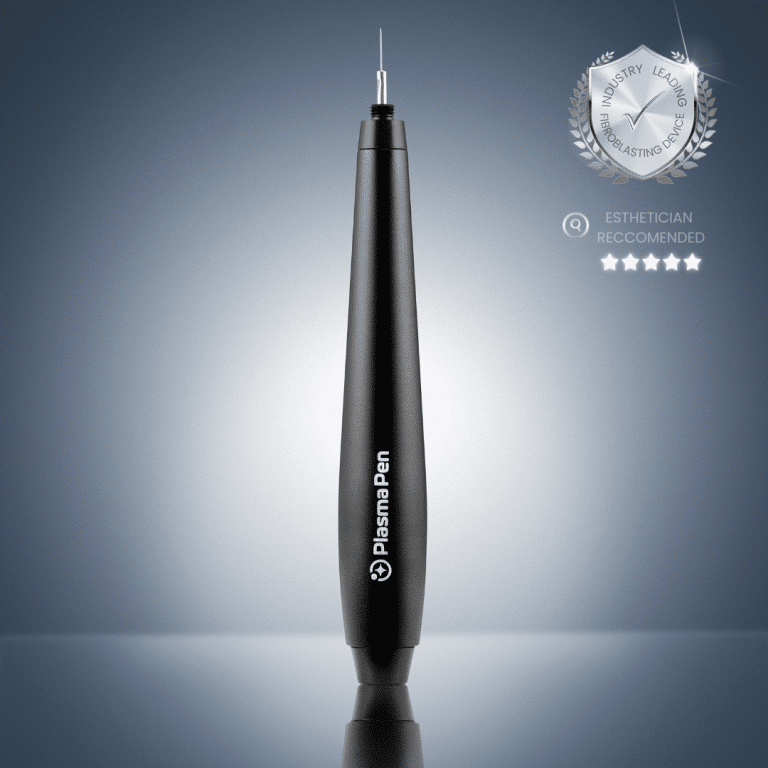
Featured in this article
Meet the PlasmaPen Platinum device - the sleek and most ergonomic device available anywhere on the market and available here in a striking black or silver brushed aluminum design.
Our PlasmaPen Platinum device is completely geared towards medical professionals and highly experienced aestheticians with significant, evidenced and pre-existing plasma experience.
This is the ultimate device in our portfolio and is designed to underpin all the primary treatments and solutions, fully cover all the advanced and niche treatments and also deliver the most high-end, pioneering and next-generation treatments possible with our plasma technology.
Foundation Training is included with the purchased of a Platinum device.
Pay in 3 interest-free payments with PayPal*