- What Training Do You Need to Use a Plasma Pen?
- Who Should — and Shouldn’t — Use a Plasma Pen Without Training
- What a Proper Plasma Pen Training Course Covers
- Skin Science & Anatomy
- Safety, Contraindications & Risk Management
- Hands-On Practical Technique
- Aftercare & Client Consultation
- Accreditation and Regulation: What to Look For
- Course Format, Duration, & Cost Expectations
- What Happens When Plasma Pen Is Used Without Training
- How to Choose a Legitimate Plasma Pen Training Provider
- PlasmaPen Training FAQs
- Do I need a licence to use a plasma pen?
- Can I buy a plasma pen without training?
- How long does plasma pen certification take?
- Is PlasmaPen training accredited?
- Start Your PlasmaPen Journey With Confidence
In the hands of trained professionals, PlasmaPen treatments deliver striking results. Before you can safely operate a device, you should take a recognised aesthetics or healthcare qualification, hands-on practical instruction, and formal assessment – not just a quick tutorial. This guide walks through exactly what PlasmaPen training you need, what a legitimate course should cover, and how to choose a provider you can trust.
What Training Do You Need to Use a Plasma Pen?
Using a PlasmaPen safely requires more than familiarity with the device itself. Reputable training pathways expect practitioners to hold a recognised aesthetics, skincare, or healthcare qualification, typically at Level 3 with an Anatomy & Physiology/Pathology component or an equivalent regulated qualification, alongside theoretical study, hands-on practical instruction, documented case studies, and a formal assessment before certification is issued. This is non-negotiable: plasma energy interacts directly with the skin, and safe, effective outcomes depend as much on practitioner competence as on the device.
Practitioners should also confirm that the plasma device itself carries appropriate documentation from the manufacturer, including a CE certificate and safety reports covering electrical and electromagnetic compatibility (EMC), along with a Declaration of Conformity. Recognised PlasmaPen qualification pathways are available through awarding organisations including VTCT (ITEC), Qualifi, Focus Awards, and ProQual, generally at Level 4 (RQF).
Who Should — and Shouldn’t — Use a Plasma Pen Without Training
No one should attempt to use a PlasmaPen without completing appropriate training. Before enrolling, students should be at least 18 years old, hold a recognised beauty, aesthetic or healthcare qualification (minimum Level 3), understand infection control and pathogens, and have sufficient language proficiency to follow the course material. Students are also responsible for confirming local government licensing requirements and holding insurance cover before performing treatments.
It’s also worth understanding that “plasma” covers several distinct technologies, each with its own educational pathway.
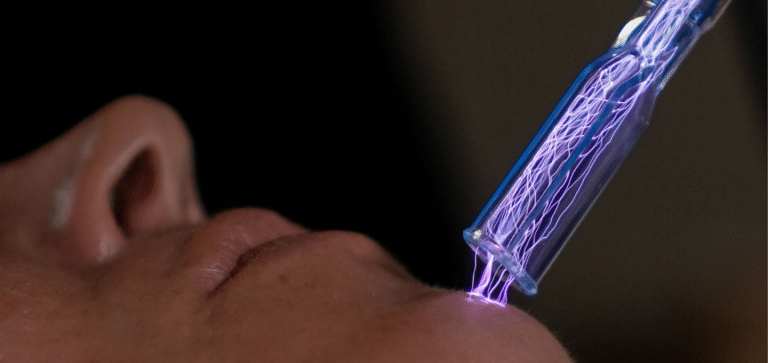
Hot plasma (fibroblasting) creates controlled micro-trauma to sublimate or contract tissue and is used for lesion removal and skin resurfacing.
Ozone plasma and Cold Atmospheric Plasma (CAP) are non-ablative, used for product penetration and supporting skin barrier function without disrupting it.
Warm plasma works at slightly above body temperature to stimulate fibroblast activity and collagen remodelling. Because the mechanism of action differs across these sub-types, so does the training required to use each one safely.
What a Proper Plasma Pen Training Course Covers
Skin Science & Anatomy
A legitimate course begins with skin anatomy and physiology and the underlying science of plasma, giving practitioners a working understanding of how plasma energy interacts with skin tissue before they ever operate a device.
Safety, Contraindications & Risk Management
Training should cover device operation and safety protocols in detail, along with treatment indications and contraindications, hygiene and infection prevention, and how to prevent and manage complications should they arise.
Hands-On Practical Technique
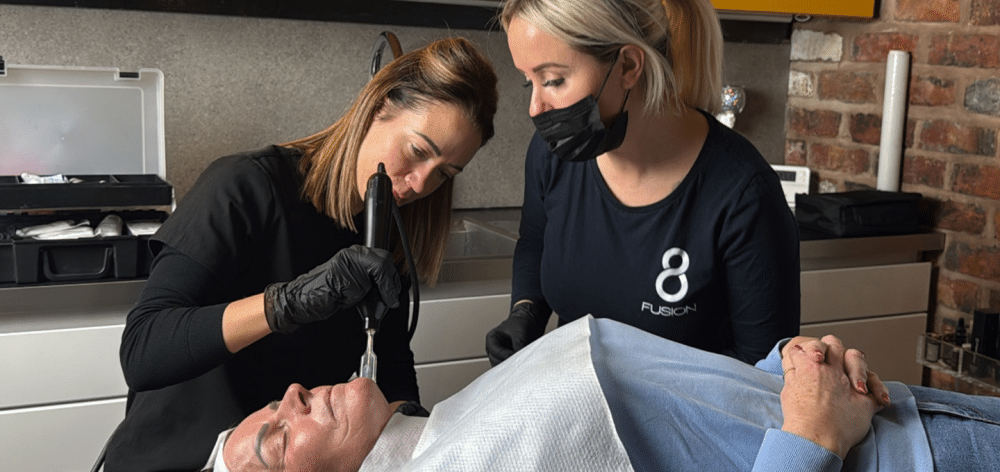
Beyond theory, practitioners need supervised, hands-on practice with the device and documented case studies across different treatment areas, assessed before certification is awarded.
Aftercare & Client Consultation
Courses should also address client selection and treatment planning, consultation, consent and record-keeping, and how to support clients through the PlasmaPen aftercare and healing process – skills that matter as much to outcomes as the treatment itself.
Accreditation and Regulation: What to Look For
Training requirements differ by country, but the underlying principle is consistent: practitioners need a recognised qualification background (typically Level 3 or equivalent) and device-specific certification from a reputable manufacturer.
Separate, regulated PlasmaPen qualifications are available through awarding organisations such as VTCT (ITEC), Qualifi, Focus Awards, and ProQual. Because recognition and acceptance of these qualifications vary between countries, licensing authorities and insurers, practitioners should always confirm what’s required in their own location rather than assuming a certificate is universally sufficient.
Course Format, Duration, & Cost Expectations
Our PlasmaPen training pathway combines flexible online learning with live practical instruction, case-study experience and formal assessment, across two levels:
- Foundation Training (Level 3 equivalent): 20 hours of self-paced online study, a three-hour live practical session via Zoom, practical case studies and a final online assessment. This is included with every device purchase.
- Advanced Training (Level 4 equivalent): 18 hours of self-paced online study, a two-hour live practical session via Zoom, advanced case studies and a final online assessment.
Practitioners who prefer additional hands-on instruction can also attend in-person live training: Foundation Live Training is £500 / $650 USD, and Advanced Live Training is £750 / $1,000 USD, each providing supervised practical experience and personalised support from an approved trainer.
Core online theory and practical training is usually completed within about a week; overall certification timing depends on how quickly a student completes and submits their case studies and assessment.
What Happens When Plasma Pen Is Used Without Training
Untrained use of plasma energy carries real, avoidable risks: incorrect application can cause burns, over-treatment or scarring, and inadequate hygiene practice increases infection risk.
Without training in contraindications, practitioners may also treat clients unsuitable for the procedure, and without a recognised qualification, licence or insurance, they may be operating outside their legal scope of practice – exposing both themselves and their clients.
More broadly, treatments carried out by untrained individuals have historically driven much of the negative perception around plasma technology generally, contributing to poor reviews and public misunderstanding of what the treatment can safely achieve.
How to Choose a Legitimate Plasma Pen Training Provider
Before enrolling in any plasma pen course, investigate both the training provider and the device manufacturer. A legitimate provider should be able to demonstrate an established, verifiable business history; appropriately qualified trainers; comprehensive theory alongside supervised practical training; clear entry requirements; formal assessments and case-study requirements; training on consultation, contraindications, aftercare and complications; ongoing student and technical support; proper device documentation, safety testing and warranty; eligibility for professional insurance; independent reviews from verified students; and clear policies on complaints, certification, and continued support.
A certificate should reflect genuine, assessed competency – not simply attendance or payment.
PlasmaPen Training FAQs
Do I need a licence to use a plasma pen?
Licensing requirements vary by country and, in some regions, by state or local authority. Before offering treatments, confirm the qualification, practitioner licence, premises licence, and insurance requirements of the governing bodies in the area where you intend to work.
Can I buy a plasma pen without training?
A reputable supplier places education and practitioner competency at the centre of every device purchase, so purchasing the device and completing training should go hand in hand. Training covers how the technology works, how to use it safely, how to select suitable clients, and how to manage healing, aftercare, and potential complications.
How long does plasma pen certification take?
Core online theory and practical training can usually be completed within about a week. Students must then complete required case studies and a final assessment before certification is issued, so total time depends on how quickly these are submitted.
Is PlasmaPen training accredited?
PlasmaPen provides comprehensive manufacturer and device-specific certification – Foundation Training aligned to a Level 3-equivalent standard, and Advanced Training to a Level 4-equivalent standard.
Separate, regulated PlasmaPen qualifications are also available through recognised awarding organisations, including VTCT (ITEC), Qualifi, and Focus Awards. Recognition differs between countries, licensing authorities and insurers, so practitioners should confirm requirements for their own location. A PlasmaPen certificate demonstrates completion of our device-specific education and competency requirements, but does not replace any regulated qualification, licence, professional registration, or insurance required locally.
Start Your PlasmaPen Journey With Confidence
With more than 11 years of experience in the plasma industry, we provide comprehensive training to help you understand the technology, its safety, and the effectiveness of your treatments so you can confidently support your clients on their skin journey.
Enquire about PlasmaPen and start your journey today.
Featured in this article
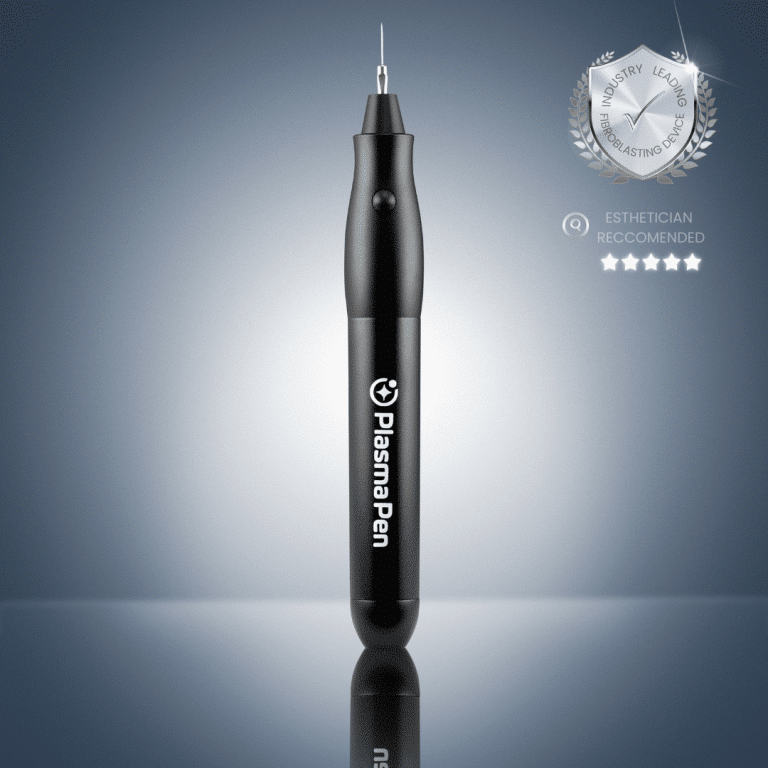
Our stunning PlasmaPen™ Classic device is primarily geared towards beauty, aesthetics and spa professionals and is designed to underpin all the primary treatments.
All our professional plasma devices are designed for non-invasive soft-surgery and fibroblasting treatments to underpin next-generation skin-lifting, skin-tightening, rejuvenation, resurfacing, revitalization, contouring and regeneration treatments.
Pay in 3 interest-free payments with PayPal*