- Do PlasmaPens Work on Skin Tags? A Direct Answer
- What Is a Skin Tag, and What Causes Them?
- When to Get a Skin Tag Checked Before Treating It
- How a PlasmaPen Removes a Skin Tag (The Science)
- What Is Plasma Sublimation?
- Why This Is Different From Burning or Cutting
- How to Use a PlasmaPen to Remove Skin Tags: The Professional Treatment Process
- Consultation and Skin Assessment
- Numbing and Preparation
- The Treatment Itself
- Immediately After Treatment
- PlasmaPen vs. Other Skin Tag Removal Methods
- Why You Shouldn’t Remove Skin Tags Yourself at Home
- Aftercare and Healing Timeline of PlasmaPen Skin Tag Removal
- Day 1
- The Carbon Crust (Days 2–7)
- Long-Term Healing
- Benefits of PlasmaPen Treatment for Skin Tags
- Who Should Avoid This Treatment
- Frequently Asked Questions
- Does PlasmaPen treatment hurt?
- Will it leave a scar?
- Do skin tags grow back after removal?
- Is it safe to remove skin tags yourself?
- Discover PlasmaPen Devices Today
Do PlasmaPens Work on Skin Tags? A Direct Answer
Yes. PlasmaPen treatment can effectively remove suitable skin tags. The device creates a small plasma arc that targets the tag directly, and the heat of that arc dehydrates and shrinks the tissue. A small carbon crust forms over the treated point, dries out over the following days and falls away naturally, usually within one to two weeks.
The important qualifier is who performs it. Only a practitioner trained in lesion removal should perform plasma treatment, and only after a proper assessment of the growth. If a lesion looks unusual at that assessment, it should be referred for medical evaluation before anyone attempts to remove it. Used this way, plasma is a precise, non-surgical option for a very common cosmetic concern.
What Is a Skin Tag, and What Causes Them?
Skin tags are known medically as acrochordons. They are harmless growths that sit above the surface of the skin, usually flesh-coloured and attached by a narrow stalk, which gives them their characteristic mushroom shape. They range from pinhead-sized specks to thicker, fleshier growths. Most are painless, but they can become sore or inflamed when clothing, jewellery, or a razor catches them repeatedly.
They tend to appear where skin moves against skin or fabric: the underarms, neck, groin, eyelids, upper chest, and beneath or between the breasts. Some people develop a single tag, others several in one area, often appearing gradually over time.
There is no single explanation for why they form. They become noticeably more common after the age of 40, and they cluster in areas of regular friction. Hormonal change, including pregnancy, appears to play a part, as does genetics, and they are seen more frequently in people living with obesity or diabetes. In the large majority of cases, skin tags are benign, meaning non-cancerous, and can safely be removed for cosmetic reasons or simply for comfort.
When to Get a Skin Tag Checked Before Treating It
Not every small growth on the skin is a skin tag. Moles and warts can look similar to an untrained eye, and telling them apart matters, because it changes whether removal is appropriate at all. This is the single strongest argument for a professional consultation before any treatment.
Book an assessment rather than assuming, and seek medical evaluation first if a growth is changing in colour, size or shape, or if it is bleeding or weeping. Those are clear signals that a lesion needs to be looked at properly before anything is done to it. A trained practitioner will make that call at consultation and refer where there is any doubt, which is exactly the safeguard that self-treatment removes.
How a PlasmaPen Removes a Skin Tag (The Science)
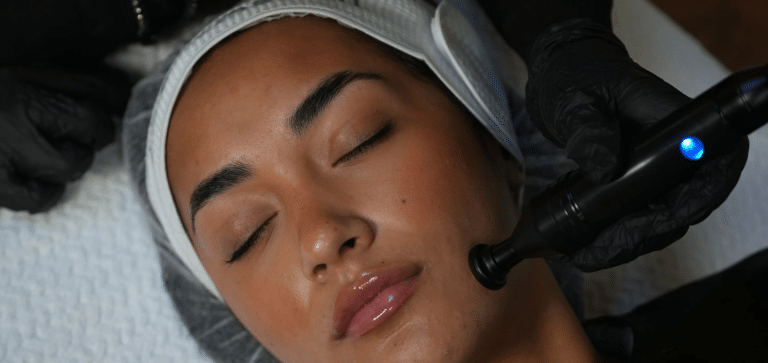
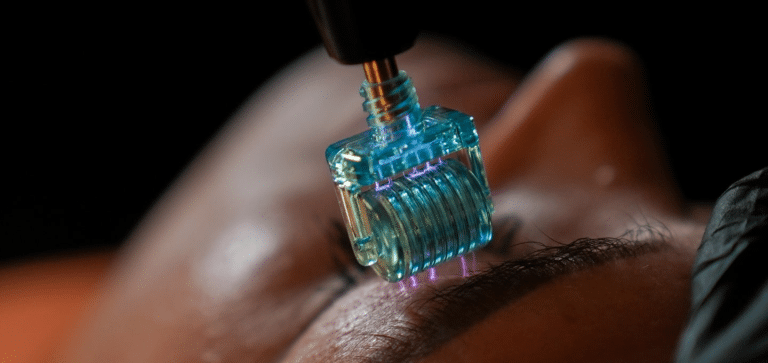
A PlasmaPen uses thermal energy to ionise the oxygen and nitrogen already present in the air, creating a plasma arc between the tip of the probe and the surface of the skin. The probe itself never makes contact. That arc delivers a superficial, highly localised micro-injury, leaving a carbonised point exactly where it is directed.
Applied to a skin tag, the effect is a precise thermal ablation of the stalk just above the skin surface. The heat causes controlled coagulation and the tag dehydrates, shrinks, and detaches, while the healthy skin around it is left undisturbed. A small crust remains, dries over the following days and falls away on its own. The area may look pink at first and settle gradually.
Because the energy can be confined to such a small area, there is no need for a surgical incision and therefore no cut to heal. The outcome always depends on the assessment and on the thickness and vascularity of the individual lesion.
What Is Plasma Sublimation?
Sublimation is the term for what happens to the tissue under controlled heat. Plasma energy takes the targeted tissue from a solid state directly to a gaseous one, without passing through a liquid phase in between. In practice, that means the tag is not melted, cut or scraped away. It is converted and contracted in place, which is why the treated point is so small and so well defined.
Why This Is Different From Burning or Cutting
No scalpels or blades are involved in plasma removal, and no stitches are needed afterwards. Thermal energy is used, but that is not the same as burning the skin away. The combination of carefully selected settings and a precise probe diameter makes the treatment controlled and predictable, with the energy confined to the tag rather than spilling into the skin around it.
That predictability depends entirely on the operator and the equipment. A reputable practitioner, working with a device designed for the job and trained in assessment as well as technique, is what separates a clinical outcome from a burn.
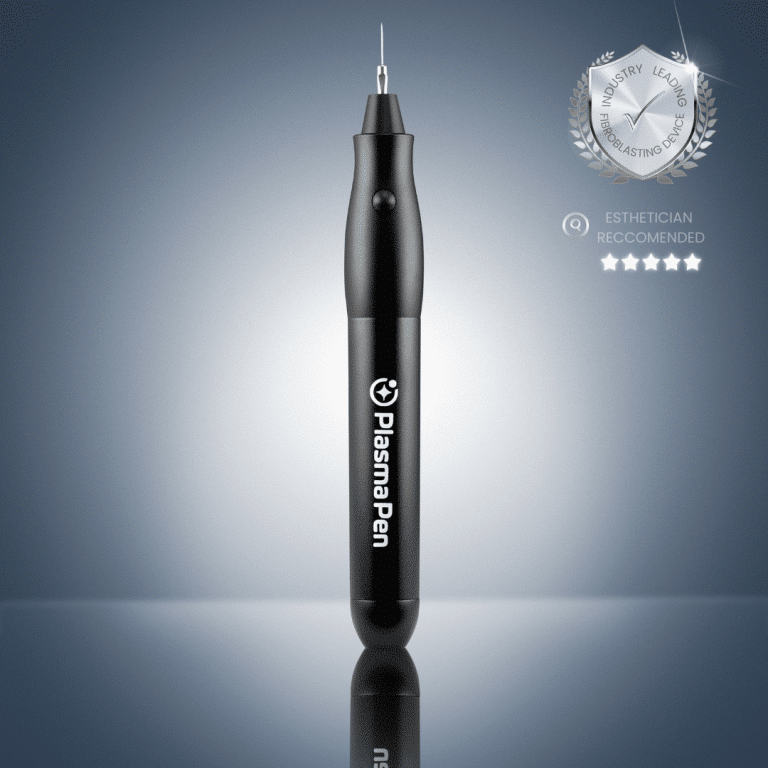
Featured in this article
Our stunning PlasmaPen™ Classic device is primarily geared towards beauty, aesthetics and spa professionals and is designed to underpin all the primary treatments.
All our professional plasma devices are designed for non-invasive soft-surgery and fibroblasting treatments to underpin next-generation skin-lifting, skin-tightening, rejuvenation, resurfacing, revitalization, contouring and regeneration treatments.
Pay in 3 interest-free payments with PayPal*
How to Use a PlasmaPen to Remove Skin Tags: The Professional Treatment Process
PlasmaPen skin tag removal is a professional treatment, not a home procedure. Here is what a properly run appointment involves, from first consultation to the moment you leave the clinic.
Consultation and Skin Assessment
The practitioner takes a full history before anything else: medical history, current medication, how you have healed from previous wounds, and whether you have any tendency to scar or to develop pigmentation after injury. They will examine the tag itself, confirm it is suitable for cosmetic removal, and take clinical photographs with your consent so the result can be compared afterwards. If there is any uncertainty about the colour, shape or size of the lesion, you will be referred for medical assessment before treatment goes ahead.
Numbing and Preparation
The area is cleansed with an appropriate antiseptic. A topical anaesthetic can be applied to the lesion if you would prefer to be numbed, and most clients treating anything more than a single small tag choose to be. The anaesthetic is then removed completely and the skin dried before the PlasmaPen is used, as any residue left on the surface would interfere with the treatment.
The Treatment Itself
The removal itself is quick. A small number of tags typically takes around five to ten minutes of active treatment time. The practitioner holds the pen perpendicular to the skin so the arc forms between the probe and the surface, and works on the stalk of the tag just above the healthy skin. Clients may feel a brief stinging or hot sensation with each application, which settles immediately.
Technique is matched to the lesion. Smaller tags can be treated directly at the stalk, one to two millimetres above the skin, while larger or thicker growths call for a more gradual approach across the session. As the heat is applied, the tag contracts and dehydrates, and a small brown carbonised scab forms at the treated point. A skilled practitioner deliberately stops short of overtreating: pushing for a flatter, faster result in one sitting is what leads to delayed healing, pigment change, and scarring.
Immediately After Treatment
Mild redness and some swelling are normal straight afterwards, and the area may feel tender. The practitioner inspects the treated point and applies cooling to draw the residual heat out of the tissue. You will leave with written aftercare instructions and, in most clinics, a follow-up appointment booked so the area can be reviewed once healed. No area should be treated again until it has healed completely.
PlasmaPen vs. Other Skin Tag Removal Methods
Several methods can remove a skin tag, and the right one depends on the size of the lesion, how it is attached, where it sits and how confident anyone is about the diagnosis. Professional options generally offer better precision, proper assessment beforehand, and more controlled management of bleeding, healing, and pigmentation risk.
| Method | How it works | Typical downtime and healing | Precision | Best suited to | Professional or home use? |
|---|---|---|---|---|---|
| PlasmaPen | A controlled plasma arc dehydrates and coagulates the targeted tissue at the stalk of the skin tag, leaving the surrounding healthy skin untouched. | A small crust usually remains for around 7–14 days. Residual pinkness can last longer in some clients. | High. Energy is directed at a very small, defined area, limiting any effect on nearby skin. | Benign skin tags confirmed at assessment, particularly small, raised or narrow-stalked tags. Larger, broad-based, or vascular lesions may need referral. | Professional only. Requires an appropriate device, specialist training and compliance with local regulations. |
| Cryotherapy | Liquid nitrogen freezes the tissue, after which the tag gradually dries and falls away. | Temporary stinging, redness, swelling, or blistering. The tag commonly falls away within one to two weeks. | Moderate. The cold can spread beyond the lesion and affect some surrounding skin. | Small skin tags. Larger lesions may need more than one session, and pigmentation risk needs care in darker skin tones. | Professional, where medical-grade liquid nitrogen is used. |
| Excision | The tag is removed immediately with sterile surgical scissors or a blade, sometimes under local anaesthetic. | Leaves a small wound that must heal. Minor bleeding, tenderness or bruising is possible, and a dressing may be needed. | High in qualified medical hands, with the advantage of immediate, complete removal. | Larger, thicker, broad-based or more vascular tags, or where tissue may need to be sent for examination. | Medical professional only. Skin tags should never be cut off at home. |
Including real technicians’ results following plasma treatment.
Why You Shouldn’t Remove Skin Tags Yourself at Home
The greatest risk of home removal is not the removal itself; it is the misidentification that precedes it. Skin tags are easy to confuse with other lesions, and while the large majority are entirely harmless, a growth that is removed at home is a growth that was never properly assessed. If it was something else, that diagnosis has simply been delayed, and the evidence has been destroyed.
The practical risks are straightforward too. People commonly reach for nail clippers or scissors, which carries a real risk of bleeding and infection. Home remedies and over-the-counter preparations can cause irritation, chemical burns and lasting pigment changes.
Additionally, there is a growing market in cheap electrical plasma devices sold directly to consumers with no meaningful safety controls. In untrained hands, these deliver far more energy than the tissue needs, and burns, infection, and scarring are the predictable result.
Aftercare and Healing Timeline of PlasmaPen Skin Tag Removal
Day 1
Expect tenderness, some swelling, and redness. Scab formation begins within around eight hours, and the crust starts to dry. Keep the area clean and dry, avoid touching it, and be careful that clothing does not rub against it.
The Carbon Crust (Days 2–7)
The carbon crust darkens and dries out over this period. Do not pick it or try to lift it off. It is protecting the healing skin underneath and will release when it is ready. Avoid makeup, active skincare, and excess moisture on the area, and skip swimming, saunas and sunbathing entirely while it heals. Loose clothing helps, as friction is the most common cause of a scab coming away too early.
Long-Term Healing
The crust typically falls away on its own somewhere between seven and fourteen days, depending on the lesion treated and how you heal. The skin beneath will look pink at first. Daily SPF 50 on the area is essential while that colour settles, as new skin is vulnerable to pigmenting in sunlight. The pinkness fades gradually over the following weeks.
Benefits of PlasmaPen Treatment for Skin Tags
Performed correctly, by a trained practitioner, PlasmaPen skin tag removal offers a number of practical advantages:
- Highly focused treatment, confined to the tag itself
- No surgery, no incision and no stitches
- Minimal bleeding
- Quick to perform, with most small tags treated in minutes
- Minimal downtime
- Suitable for delicate areas such as the eyelids and neck
- Long-lasting results on the tags treated
Who Should Avoid This Treatment
Plasma skin tag removal is not suitable for everyone, and in some cases it simply needs to be postponed rather than ruled out. Treatment should be avoided or delayed if you are:
- Pregnant or breastfeeding
- Fitted with a pacemaker or other implanted electrical device
- Experiencing an acute infection or active inflammation at the treatment site
- Taking blood-thinning medication
- Taking immunosuppressants or undergoing chemotherapy
- Living with uncontrolled diabetes
- Prone to keloid scarring
- Using isotretinoin or long-term corticosteroids
All of this is covered at consultation, which is where suitability is properly established.
Frequently Asked Questions
Does PlasmaPen treatment hurt?
Most people describe a brief stinging sensation as each point is treated, which passes quickly. A topical anaesthetic can be applied beforehand if clients prefer to be numbed, and this is common when several tags are treated in one session.
Will it leave a scar?
Carried out by a reputable practitioner, plasma removal should not leave a scar, although no lesion removal is ever completely risk-free. The two things most likely to cause scarring are overtreatment and picking at the scab before it is ready to come away.
Do skin tags grow back after removal?
A skin tag that has been properly removed does not usually return. That said, removal does not stop new tags forming elsewhere, particularly if you are prone to developing them.
Is it safe to remove skin tags yourself?
No. Home removal risks infection, bleeding, and scarring, and it skips the assessment that confirms the growth is a skin tag in the first place.
Discover PlasmaPen Devices Today
Explore the complete PlasmaPen device range today to find the perfect option for your clinic and clients. And for maximum safety and compliance, book your PlasmaPen training course to ensure you deliver effective results to your clients.
Learn all about PlasmaPen, our devices, and the PlasmaPen treatments you can offer on our blog.