- How Does Menopause Cause Sagging Skin?
- Can Menopause Cause Dark Spots and Dry Skin on the Face?
- Can Skin Laxity Caused by Menopause be Treated?
- Best Skin-Tightening Treatment for Aged Skin
- Who Isn’t Suitable for Skin-Tightening Treatments?
- How Does PlasmaPen Treat Ageing and Sagging Skin?
- Reverse Signs of Ageing with PlasmaPen’s Revolutionary Technology
Menopause introduces various physiological changes throughout the body, and the skin is often one of the first organs to reflect this internal shift. As oestrogen production rapidly declines during peri-menopause and menopause, women frequently observe structural changes in their complexion, including loss of firmness, dullness, and compromised hydration.
Understanding how hormonal fluctuations impact skin health allows both practitioners and patients to select targeted, evidence-based interventions. Advanced plasma energy technology offers a non-surgical solution engineered to repair structural dermal depletion, contract lax tissue, and restore cellular vitality without invasive surgery.
How Does Menopause Cause Sagging Skin?
Oestrogen plays a crucial role in maintaining dermal thickness, stimulating fibroblast activity, and regulating the synthesis of Type I and Type III collagen as well as elastin fibres.
During the first five years of menopause, women lose approximately 30% of their dermal collagen, followed by a steady annual decline of roughly 1.3%. As collagen density diminishes and elastic fibres degrade, the dermal framework collapses. This structural breakdown manifests externally as skin laxity, softening along the jawline, deepening nasolabial folds, and sagging across the lower face and neck.
Can Menopause Cause Dark Spots and Dry Skin on the Face?
Beyond skin laxity, hormonal shifts directly affect epidermal moisture and pigmentation balance. The mechanism stems from reduced sebum production and diminished hyaluronic acid synthesis. Oestrogen loss impairs the epidermal lipid barrier and reduces glycosaminoglycan (GAG) levels, increasing transepidermal water loss (TEWL) and leaving the skin chronically dry, tight, and prone to fine, crepey rhytides.
Research also indicates that fluctuating oestrogen and progesterone levels alter melanocyte regulation. Combined with sun damage, this hormonal disruption can lead to localised hyperpigmentation, melasma, and irregular age spots across the cheeks and forehead.
Can Skin Laxity Caused by Menopause be Treated?
Yes, menopausal skin laxity can be successfully treated using advanced energy-based modalities that stimulate dormant dermal fibroblasts. Since the underlying issue is structural collagen depletion rather than simple surface dryness, effective treatment requires reaching into the papillary and reticular dermis to trigger genuine neocollagenesis.
Plasma energy provides an exceptional non-surgical approach to lifting and firming menopausal skin by contracting loose epidermal tissue and triggering deep cellular repair. To explore how plasma fibroblast therapy compares to traditional surgical interventions, read our guide ‘Can Plasma Deliver a Non-Surgical Facelift?’.
Best Skin-Tightening Treatment for Aged Skin
Selecting the ideal aesthetic treatment for menopausal skin depends on whether the primary concern is structural laxity, volume loss, or surface texture.
While injectable muscle relaxants target dynamic wrinkles and hyaluronic acid fillers restore lost fat pad volume, neither directly addresses dermal thinning or widespread skin laxity. Mechanical micro-needling creates micro-injuries to boost surface texture, and ablative lasers resurface photoageing but often carry extended downtime and hyperpigmentation risks for delicate skin. Plasma fibroblast therapy uniquely bridges this gap by delivering targeted thermal energy that physically contracts excess skin while activating long-term collagen remodelling.
To evaluate how different aesthetic modalities compare for mature skin, read our comprehensive clinical guides: ‘PlasmaPen vs Microneedling vs Laser: Choosing the Right Skin-Tightening Treatment’ and ‘PlasmaPen vs Botox: Which Treatment Suits Which Concern?’.
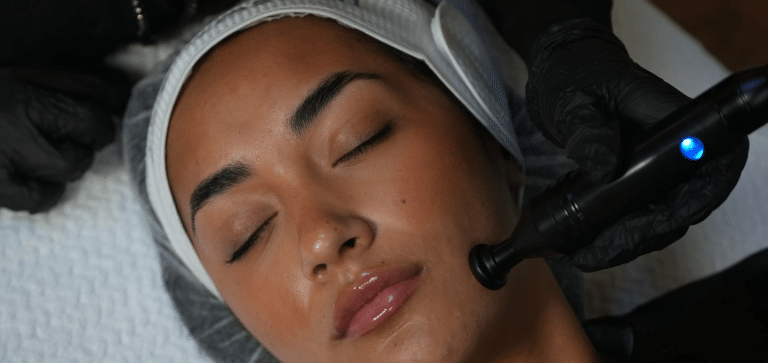
Including skin tightening treatment results from our technicians.
Who Isn’t Suitable for Skin-Tightening Treatments?
While plasma therapy is highly effective for menopausal rejuvenation, thorough patient assessment remains essential. Contraindications include:
- Active cutaneous infections, open lesions, or active herpes simplex outbreaks in the target area.
- History of keloid or hypertrophic scarring.
- Uncontrolled diabetes or autoimmune conditions that severely impair the natural wound-healing response.
- High risk of post-inflammatory hyperpigmentation (PIH) in darker Fitzpatrick skin types when undergoing aggressive thermal treatments without proper prep; non-thermal plasma options are preferred for these candidates. For more information on how plasma therapy can affect darker skin tones, read ‘Plasma Treatments and Darker Skin Tones: Managing Pigmentation Risk Across Fitzpatrick Types.’
How Does PlasmaPen Treat Ageing and Sagging Skin?
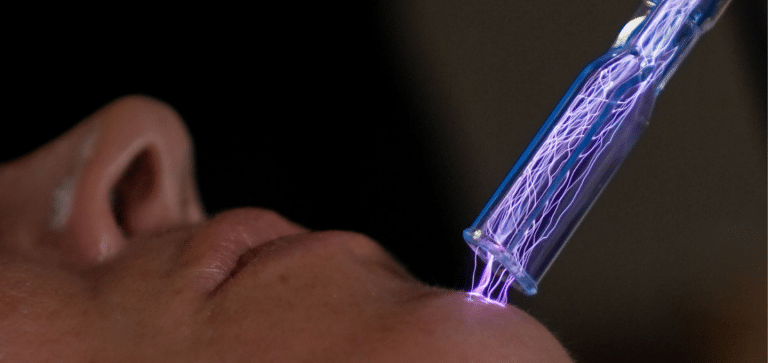
PlasmaPen devices address menopausal skin changes by delivering controlled plasma energy to target tissue. Thermal plasma technology converts atmospheric nitrogen and oxygen into an ionised gas arc. When this arc touches the skin surface, it instantly sublimates tiny points of superficial tissue, creating immediate physical skin contraction. Simultaneously, thermal transfer into the papillary dermis stimulates dormant fibroblasts to synthesise fresh collagen and elastin.
To learn more about the biological mechanisms powering this transformation, explore our detailed article explaining what plasma fibroblast therapy is. For specific application techniques along the lower face and submental area, read our guide on Non-Surgical Neck and Jawline Tightening With PlasmaPen.
Reverse Signs of Ageing with PlasmaPen’s Revolutionary Technology
Menopause significantly alters skin structure, but advanced plasma technology allows practitioners to effectively reverse signs of skin laxity, dryness, and uneven tone. By stimulating natural collagen production and cellular repair, PlasmaPen delivers long-lasting, natural-looking rejuvenation.
Practitioners looking to expand their clinic’s treatment menu can explore our PlasmaPen device range, learn about our accredited online training, or browse our store to find high-quality pre- and post-treatment products. Patients seeking personalised care can find a certified PlasmaPen technician nearby or contact us for more information.
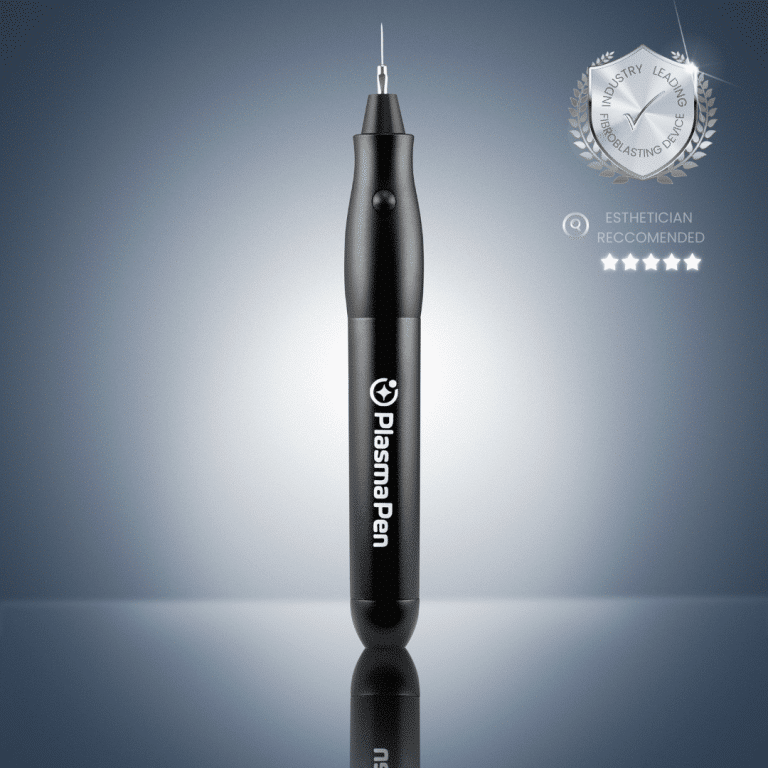
Featured in this article
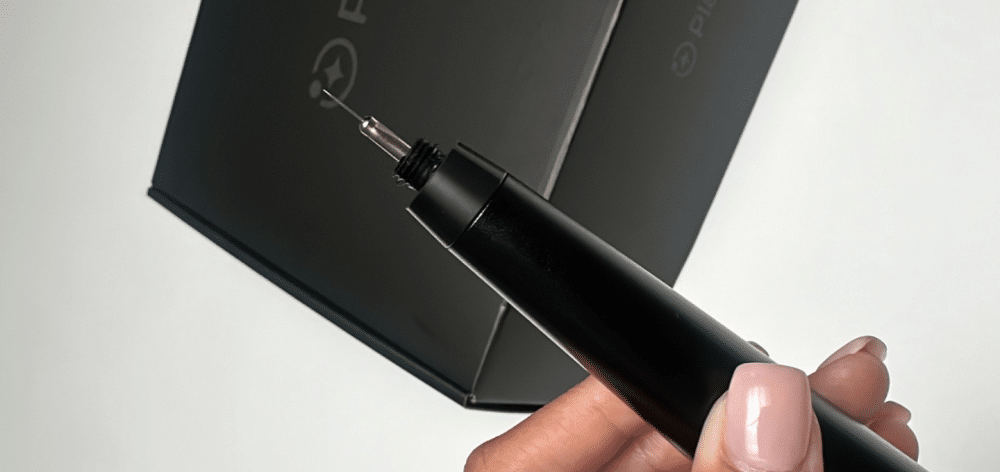
Our stunning PlasmaPen™ Classic device is primarily geared towards beauty, aesthetics and spa professionals and is designed to underpin all the primary treatments.
All our professional plasma devices are designed for non-invasive soft-surgery and fibroblasting treatments to underpin next-generation skin-lifting, skin-tightening, rejuvenation, resurfacing, revitalization, contouring and regeneration treatments.
Pay in 3 interest-free payments with PayPal*